

Chennai is one of India's fastest-growing metropolitan cities and one of its most parking-starved. For builders and developers launching large residential projects, delivering adequate car parking within CMDA and DTCP-mandated norms has become one of the most difficult engineering and financial challenges in modern construction.
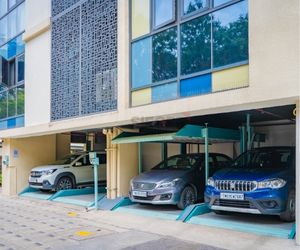
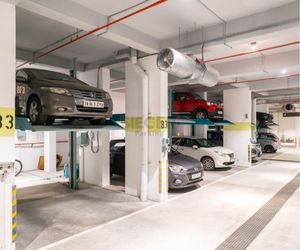
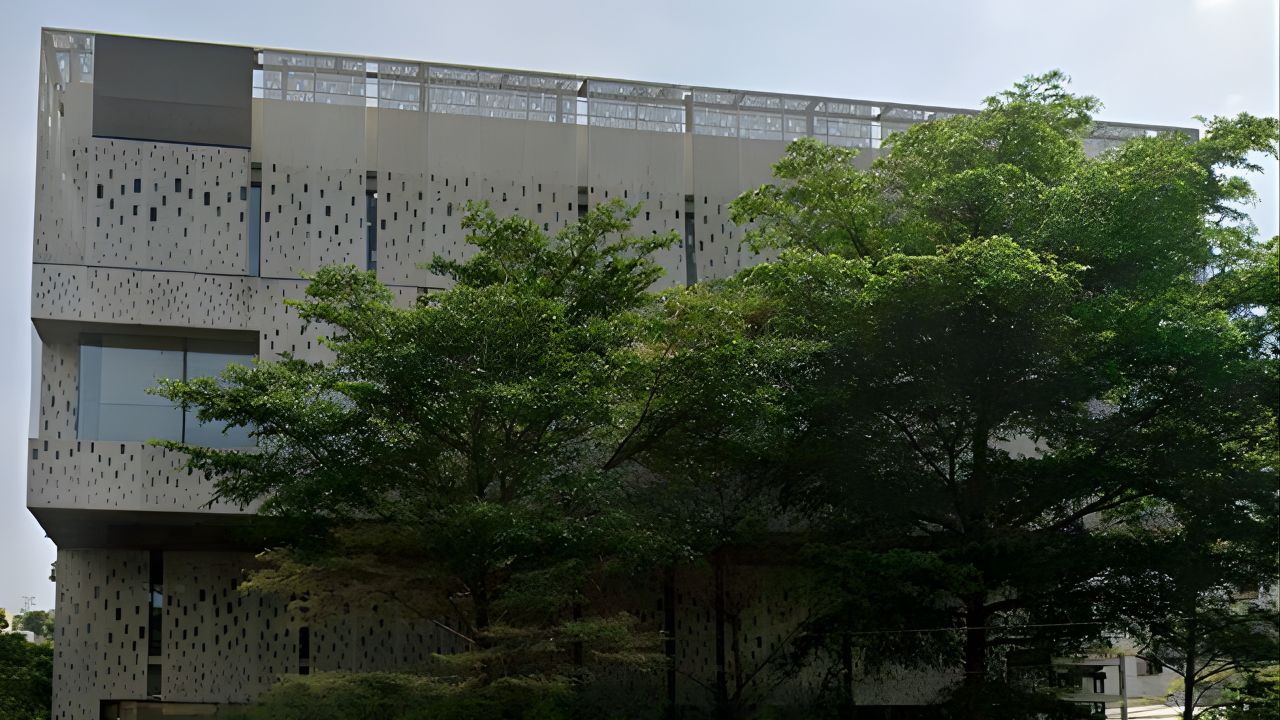
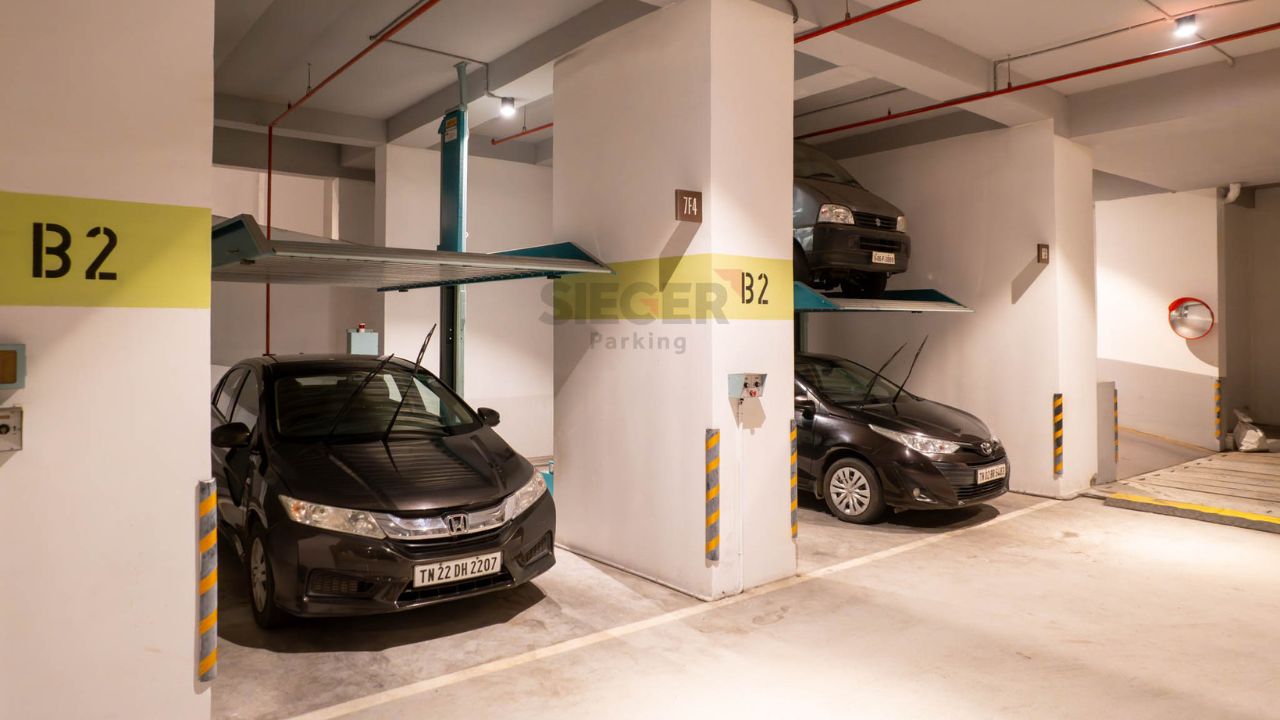
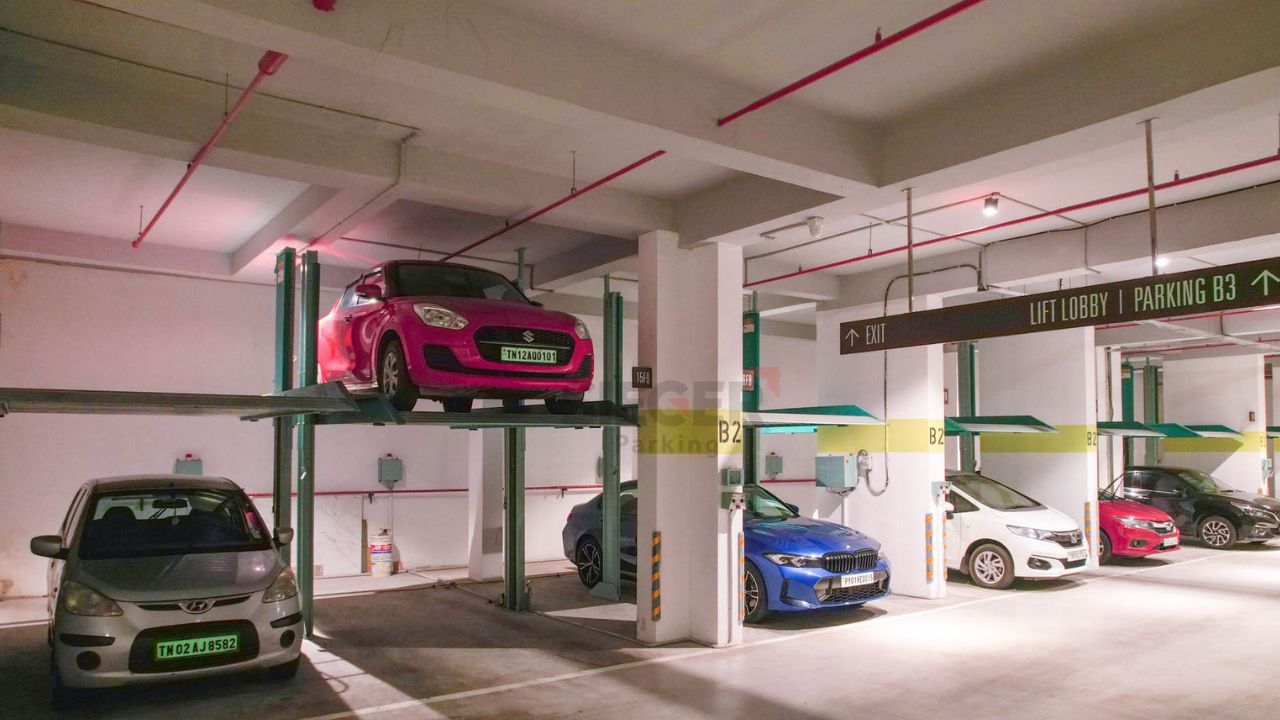
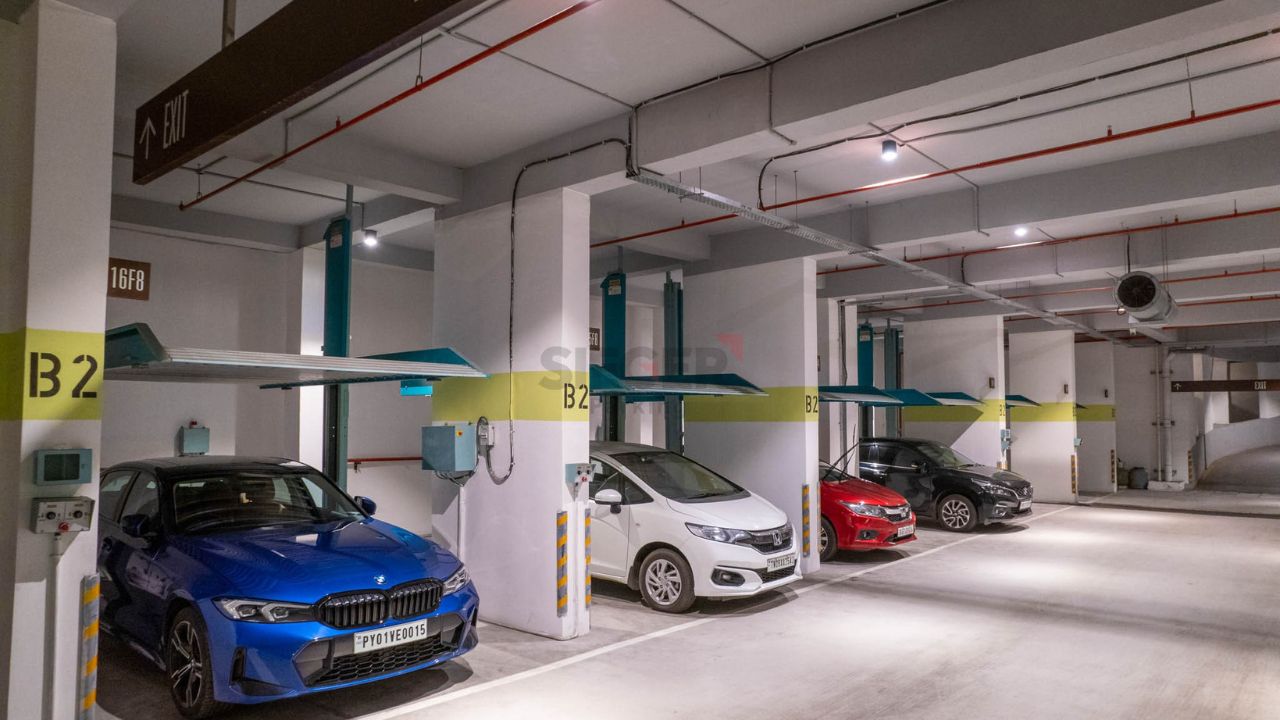
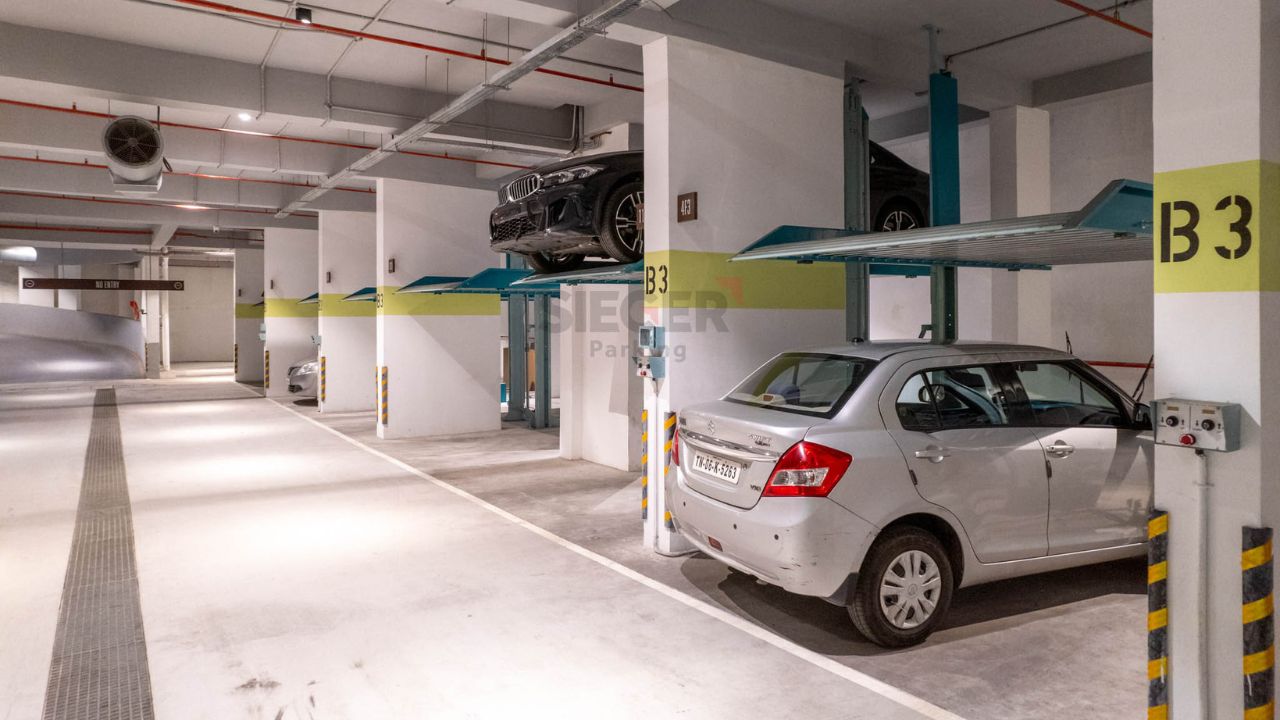
Sieger Parking delivered a 870-car stack parking system for a major residential development in Chennai, making it one of the largest stack parking installations in Tamil Nadu's builder and developer segment. The project demonstrates how semi-automated stack parking can resolve the parking deficit that residential complexes across Chennai routinely face, without requiring additional land acquisition or structural redesign.
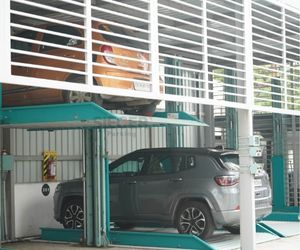
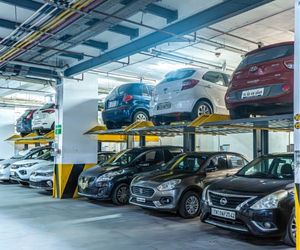
Large residential developments in Chennai are legally required to provide one or more car parking spaces per unit under CMDA and DTCP building regulations. For a project with hundreds of units, this means hundreds of mandated car spaces. But conventional ramp-based parking consumes enormous floor area, directly eating into sellable square footage and squeezing project margins. The builder needed to deliver 870 car spaces within a footprint that conventional parking could not accommodate without sacrificing saleable area or adding economically unviable floors purely for parking. Sieger Parking resolved this by storing cars vertically, typically 2 to 3 cars in the same horizontal footprint, delivering the full 870-car count in a fraction of the land area that conventional parking would have demanded.
Beyond the space problem, the builder was also under RERA obligation to hand over homes with the exact parking allocation registered in the project plan. A shortfall at handover would mean legal liability, delayed occupancy certificates, and buyer disputes, all damaging to the project's timeline and reputation. With conventional parking already exhausted in the layout, Sieger Parking's stack system was the fastest deployable path to closing the deficit without altering the approved building plan. Its modular, surface-mounted structure meant it could be integrated into existing podium levels, basements, and open yards with minimal civil works and without disrupting the construction schedule.
Finally, with 870 car spaces spread across a large residential community, managing parking post-handover posed a real operational challenge. Conventional open parking lots require security personnel, ongoing line marking, lighting upkeep, and constant management of encroachments and disputes between residents. Stack parking eliminates this friction. Each resident has a designated, clearly assigned upper or lower car slot, making space allocation self-managing and reducing the recurring operational burden on the Residents' Welfare Association from day one.
Stack parking is the most widely deployed semi-automated parking solution in the Indian residential real estate segment. Unlike fully automated systems that require significant capital investment, stack parking delivers on four counts that matter most to residential developers:
• Most widely deployed semi-automated parking solution in Indian residential real estate
• Lower per-car-slot cost compared to fully automated systems
• Suitable for both mid-range and premium residential projects
• Fast installation using modular steel structures
• No disruption to ongoing construction activities
• Accepted by CMDA, DTCP, and municipal bodies for regulatory compliance
• Simple hydraulic or electromechanical operation, easy for residents to use
• Ideal solution to bridge the gap between parking requirements and limited land availability
At 870 car spaces, this is one of the largest stack parking installations in the residential real estate segment in Tamil Nadu. It represents Sieger Parking's ability to execute at scale, coordinating multiple stack units, civil integration, and commissioning across a large site within the tight timelines that residential builders operate under.
The project is also a reference point for builders across South India exploring parking solutions for large-format housing projects, townships, and plotted developments where parking density is a critical delivery parameter.
Our projects highlight the seamless integration of automated and semi-automated systems designed to optimize space, improve efficiency, and deliver unmatched convenience. Discover our wide range of parking solutions.