

Religious institutions in Bangalore face a parking challenge that is unlike most other building types. Attendance is not spread evenly across the day or the week. On days of worship, festivals, and community gatherings, the volume of vehicles arriving within a short window can be substantial. Outside those periods, the site may be largely quiet. A parking solution for a religious institution needs to handle peak demand reliably while remaining practical to operate and maintain during the rest of the week.
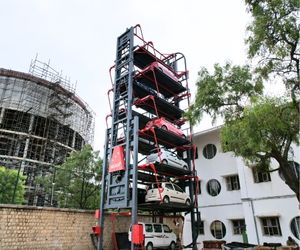
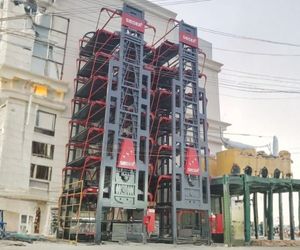
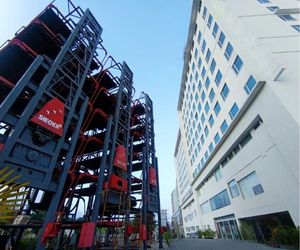
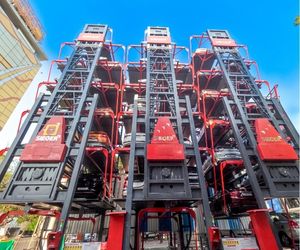
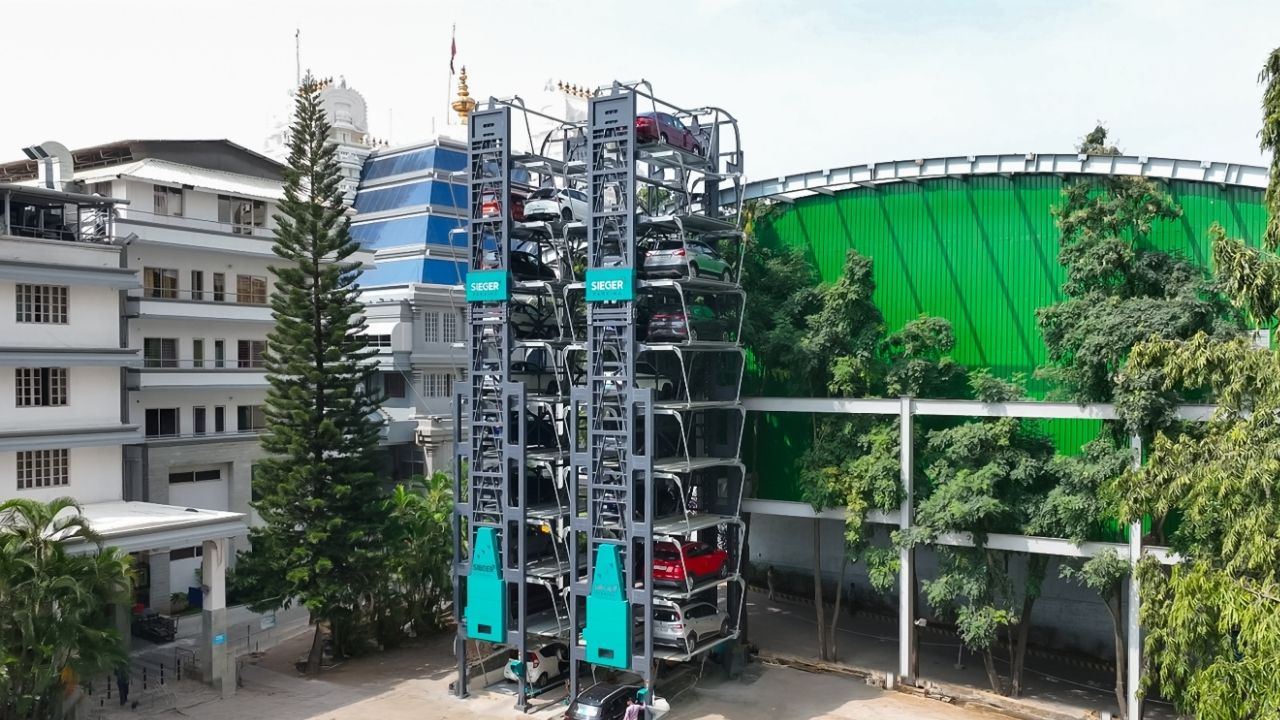
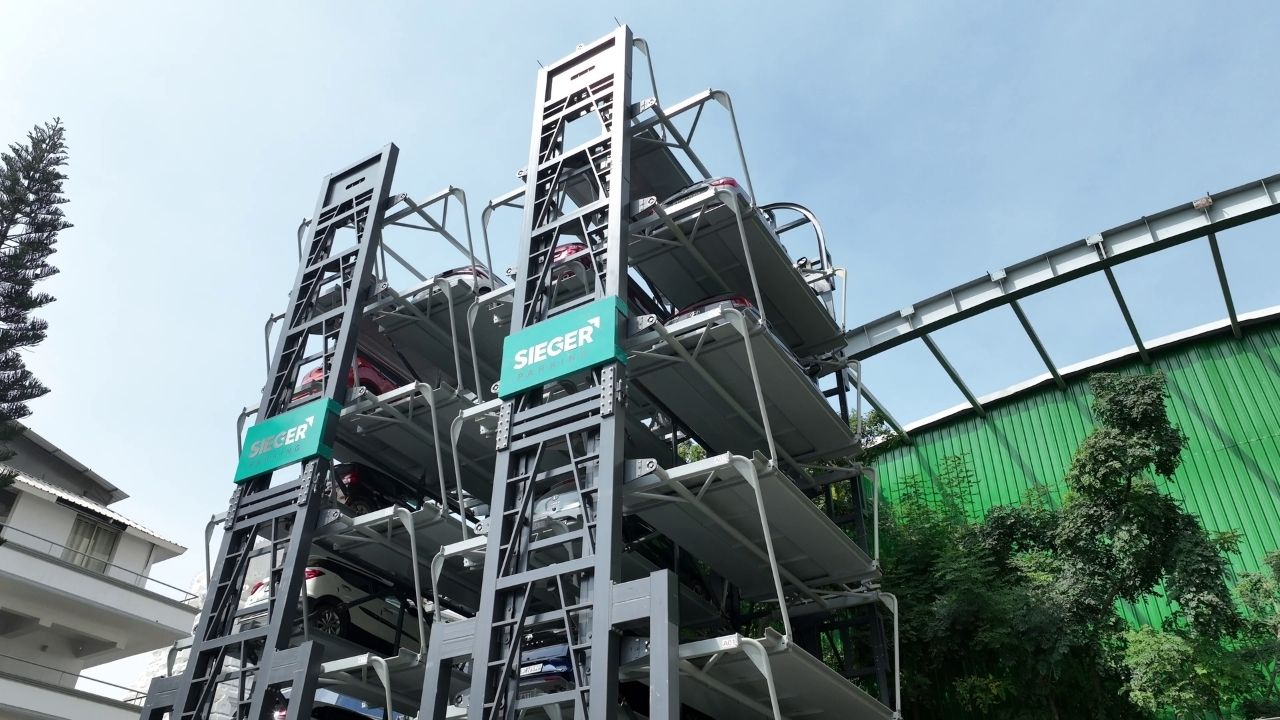
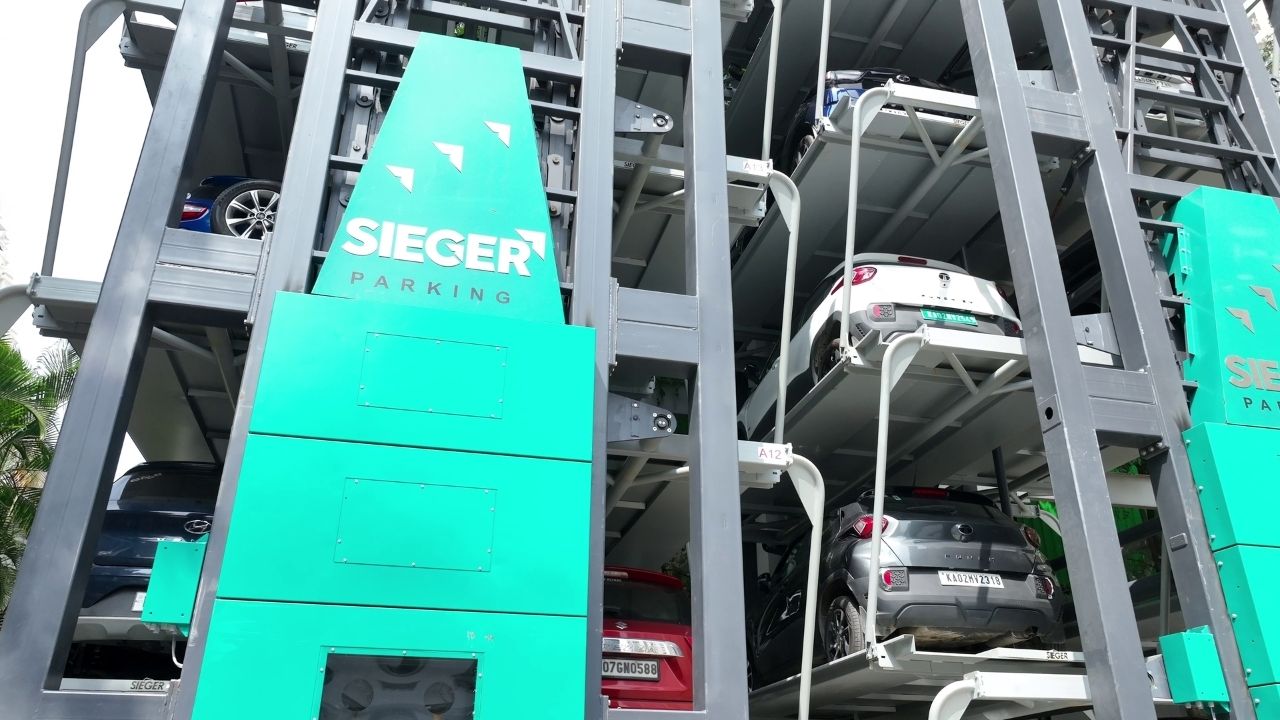
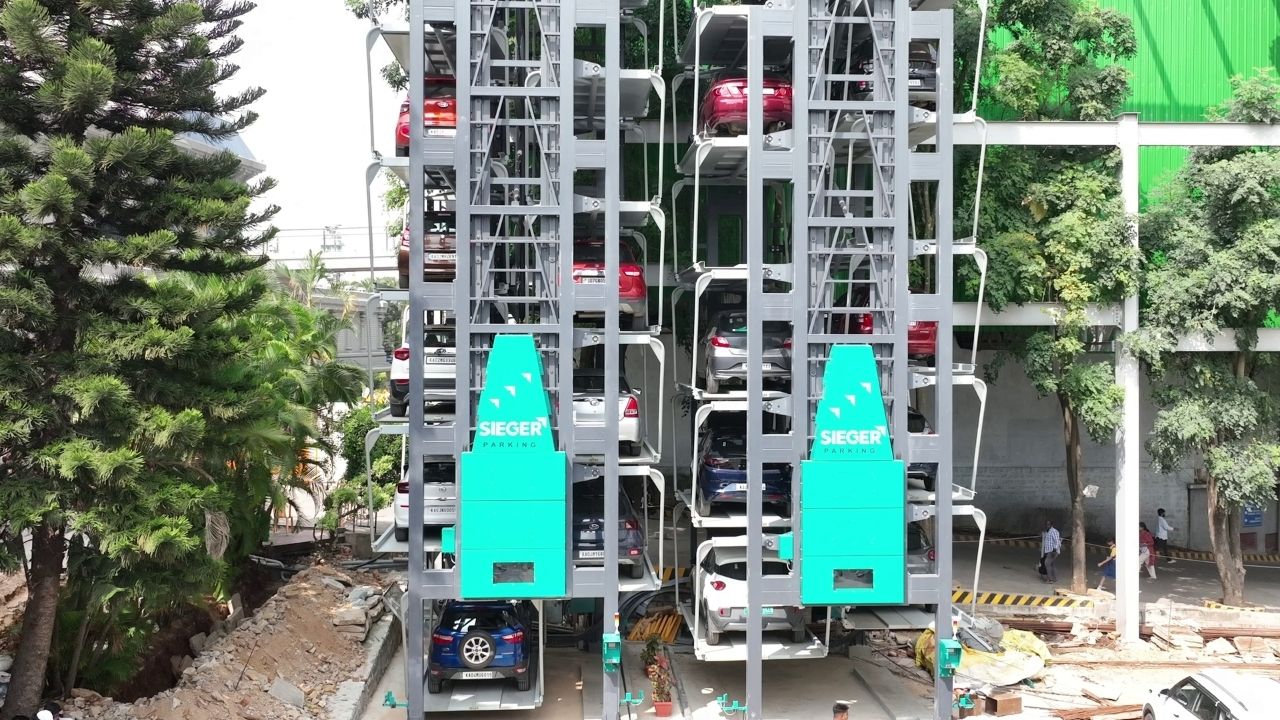
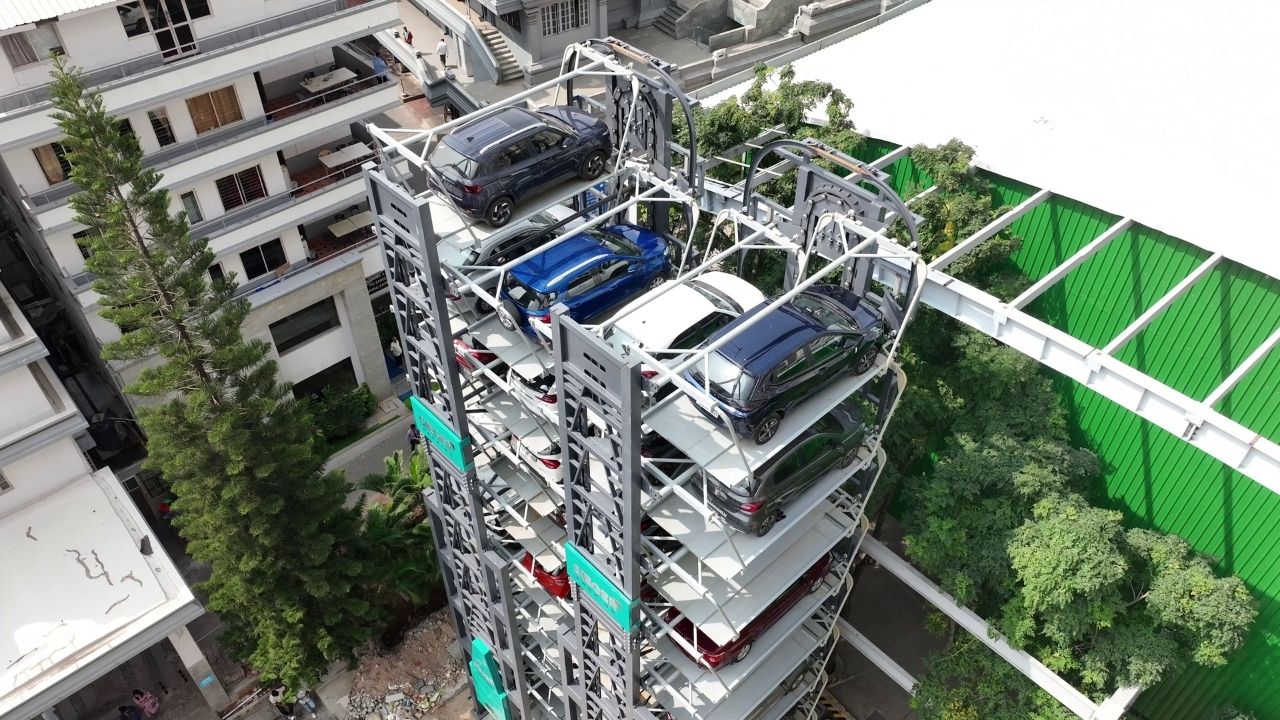
Sieger Parking delivered a 36-car rotary parking system for a religious institution in Bangalore, providing structured, reliable parking capacity within a compact footprint suited to the site and the community it serves.
Religious institutions in Bangalore's established neighbourhoods typically occupy plots that were laid out long before the current scale of vehicle ownership was anticipated. The land available to the institution is committed to the place of worship itself, gathering areas, and facilities that serve the congregation directly. Adding 36 car spaces through conventional surface parking would consume ground area that the institution cannot afford to lose, and in many cases the plot simply does not have the dimensions to accommodate a conventional car park of that size.
The peak demand pattern of a religious institution creates a specific operational challenge. When a large number of vehicles arrive within a short period before a service or ceremony, the parking system needs to process them quickly and without confusion. Equally, when the congregation departs together, the system must return vehicles in a timely manner so that the surrounding streets are not blocked for extended periods. The rotary system's consistent cycle time addresses both of these demands, keeping arrivals and departures orderly regardless of how many vehicles are in the system.
Religious institutions also tend to be managed by small administrative teams or volunteer groups rather than dedicated facilities staff. The parking solution needed to be simple enough that it could be operated and supervised without specialist training, and reliable enough that it would not require frequent intervention or technical support. Sieger Parking's rotary system meets both of these requirements, with straightforward controls and a mechanically robust design that performs consistently with minimal day-to-day management.
Rotary parking is well suited to sites with irregular but high-volume peak demand, limited ground area, and lean management capacity. For a religious institution in Bangalore, it delivers on the criteria that matter most to the institution and the congregation it serves:
• High car capacity within a compact footprint, preserving the site's primary gathering and worship areas
• Consistent cycle time that handles the concentrated arrival and departure patterns of worship events
• Simple operation that can be managed by administrative staff or volunteers without specialist training
• Reliable performance during weekly services, festivals, and large community gatherings
• Reduces on-street parking pressure in the surrounding neighbourhood during peak attendance periods
• Low maintenance requirements suited to institutions without dedicated facilities management teams
• Quiet mechanical operation appropriate for the atmosphere of a place of worship
• Supports sedans, hatchbacks, and standard SUV dimensions to accommodate the full range of congregation vehicles
The Bangalore religious institution installation shows that rotary parking serves a wider range of building types than is commonly assumed. The parking needs of a place of worship are distinct from those of a hospital, a retail site, or a residential development, and this project demonstrates that a rotary system can be configured and operated effectively within those distinct requirements.
For religious institutions across Bangalore and the wider Karnataka region that are managing growing congregations on fixed plots, this project is a practical reference. It shows that 36 structured car spaces can be delivered on a site without removing the ground area that the institution depends on for its primary purpose.
As Bangalore continues to grow and its established neighbourhoods become denser, the pressure on parking around places of worship will only increase. The rotary system offers a way to absorb that pressure on-site, reducing the impact on surrounding streets and making the experience of attending the institution smoother for every member of the congregation.
Our projects highlight the seamless integration of automated and semi-automated systems designed to optimize space, improve efficiency, and deliver unmatched convenience. Discover our wide range of parking solutions.