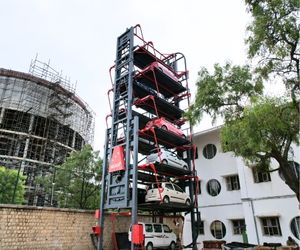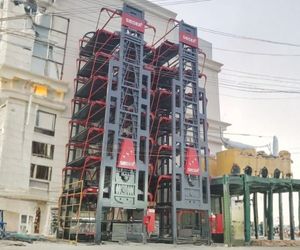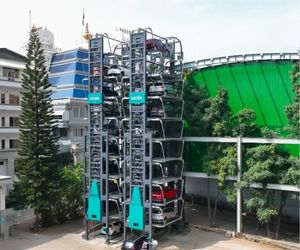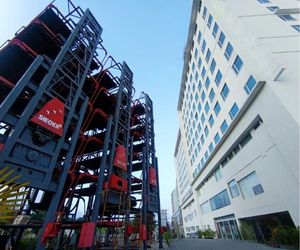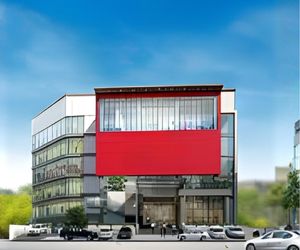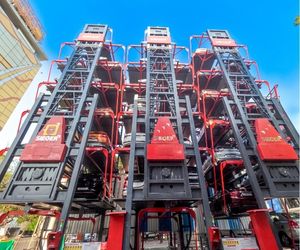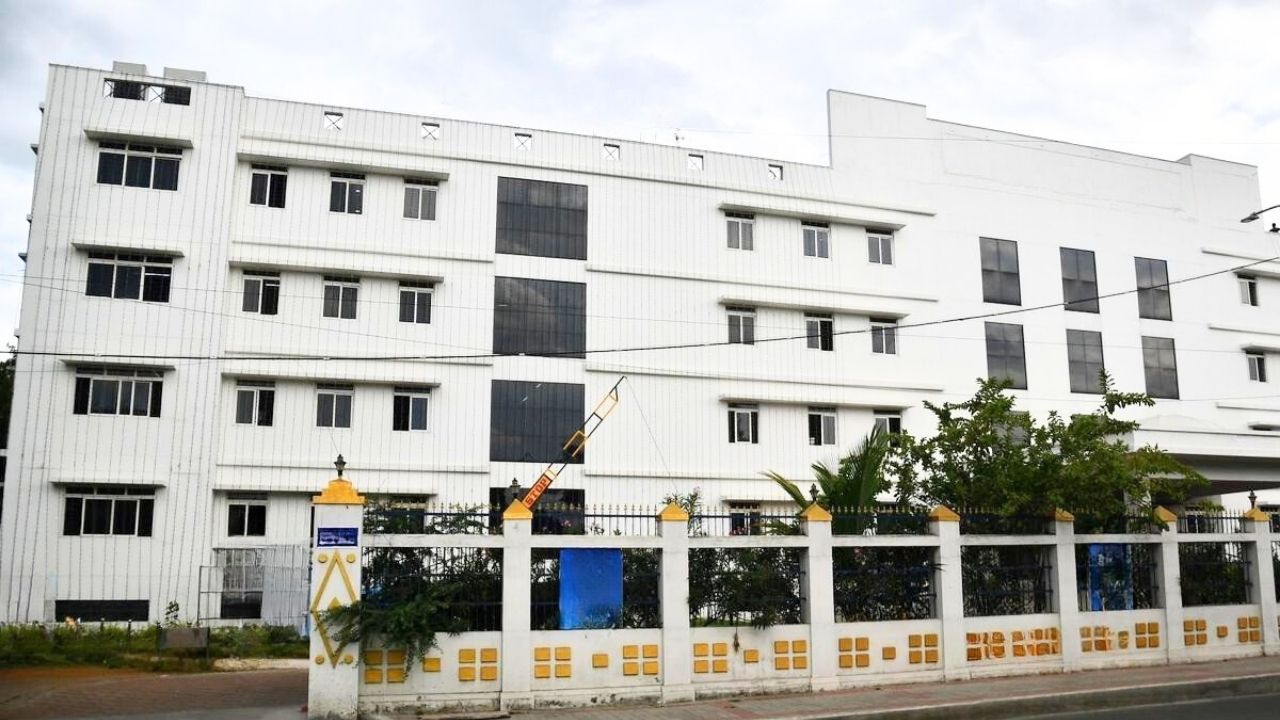
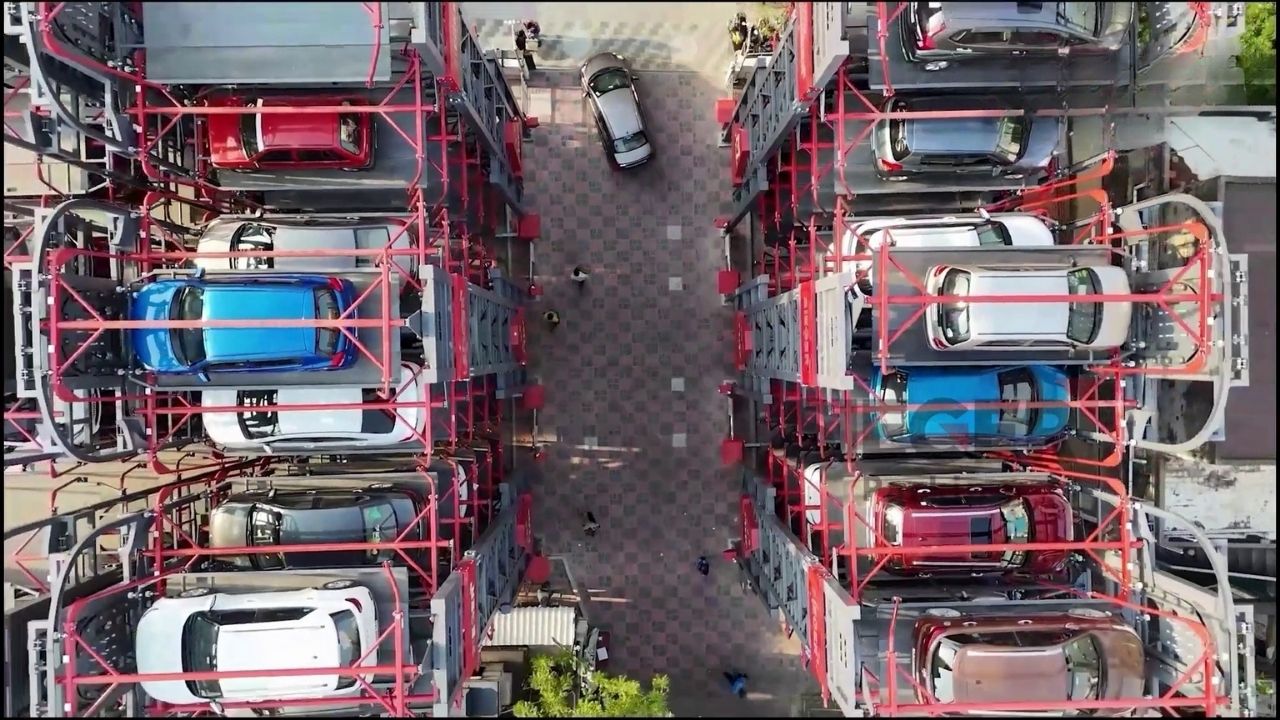
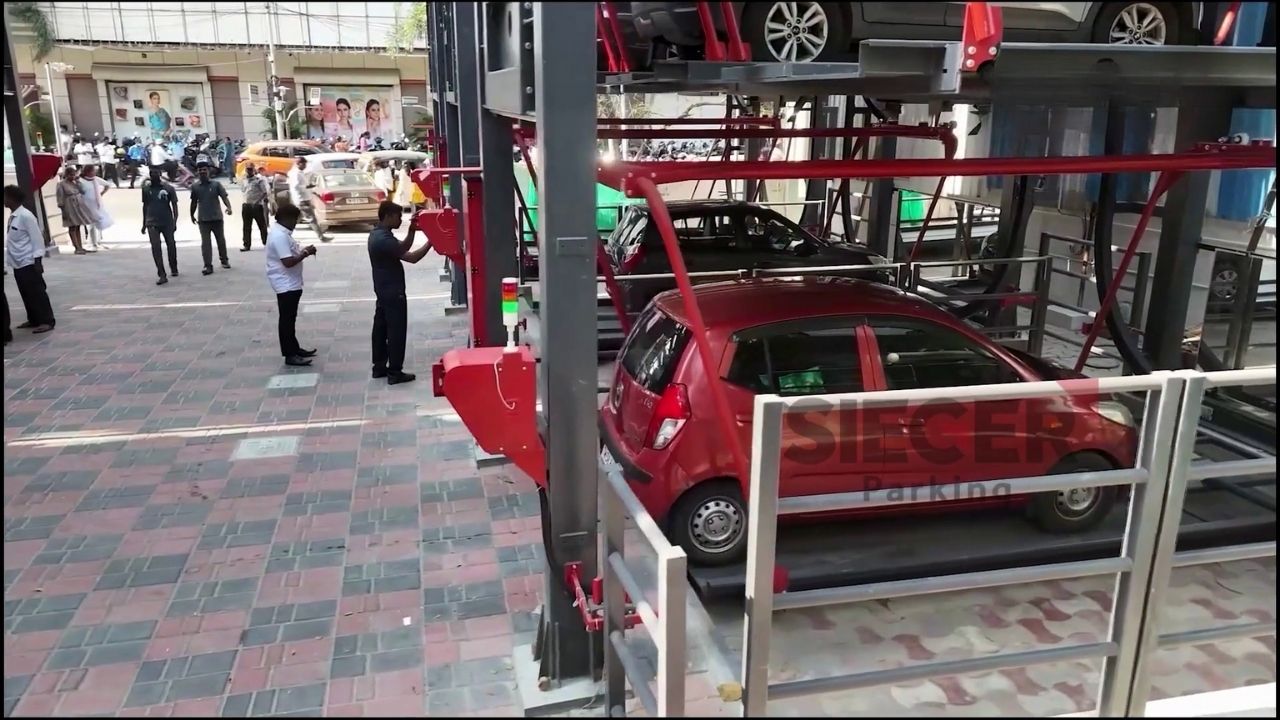
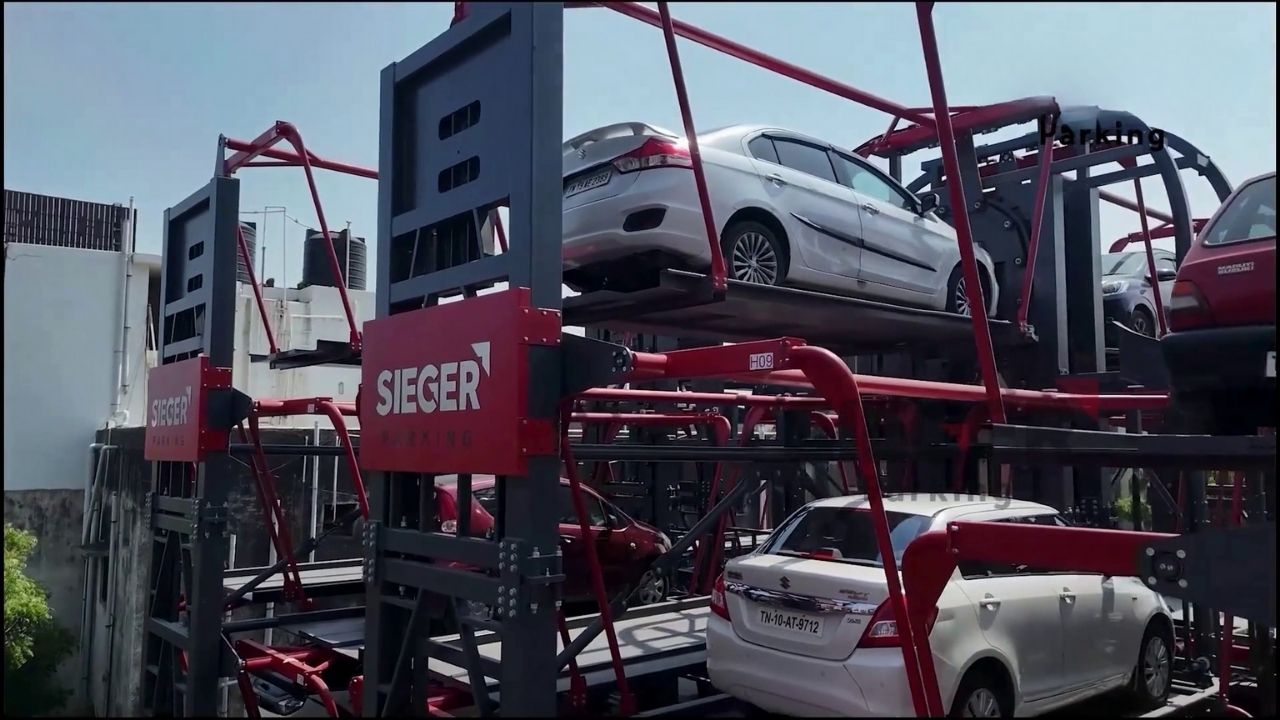


Urban parking in Tamil Nadu's tier-two cities has become a growing challenge for municipal administrations. As vehicle ownership increases and city centres become denser, the gap between available parking and actual demand creates congestion, encroachment on public roads, and a poor experience for residents and visitors alike. The Salem Municipal Corporation identified this as a priority urban development concern and commissioned Sieger Parking to deliver a 100-car rotary parking system as part of a broader effort to modernise the city's public parking infrastructure.
This project represents one of the most meaningful applications of automated parking technology in the government and municipal segment: a publicly commissioned installation designed to serve an entire city's residents, not a single building or private development.
Salem's city centre, like many of Tamil Nadu's growing urban areas, faces persistent on-street parking pressure. Vehicles parked along arterial roads reduce lane capacity, slow traffic movement, and create safety risks for pedestrians. A government-led solution needed to provide enough capacity to make a measurable difference, while fitting within public land constraints that do not permit large multi-storey car parks.
Rotary parking addressed this directly. The circular, vertically stacked system delivers a high car count within a compact footprint, making it particularly well suited to the kinds of plots available within established urban cores. A 100-car rotary installation occupies a fraction of the ground area that a conventional surface car park of the same capacity would require, freeing the rest of the site for public use.
Government projects carry an additional layer of accountability. The installation had to meet civic standards for durability, safety, and ease of use by the general public, including users who may have no prior experience with automated parking systems. Sieger Parking's rotary system is designed for exactly this kind of public-facing deployment, with straightforward controls, clear signage compatibility, and mechanical reliability suited to high daily usage volumes.
The project also needed to integrate smoothly with the broader urban development programme being undertaken by the corporation. Installation had to be completed without prolonged disruption to the surrounding area, and the system needed to be operational and maintainable by civic staff over its service life.
Rotary parking is the preferred system for urban civic projects where vertical space can be used to offset limited ground area. For a municipal corporation managing public infrastructure, it offers a combination of capacity, reliability, and long-term value that other systems cannot match at the same footprint:
• Maximum car capacity within a minimal ground footprint, ideal for city-centre sites
• Suitable for high daily usage volumes typical of public parking facilities
• Mechanically robust design with a long service life and manageable maintenance requirements
• Simple user interface appropriate for general public operation without prior experience
• Compliant with applicable government and municipal procurement and safety standards
• Modular design allows phased expansion if the corporation's requirements grow over time
• Reduces dependence on on-street parking and contributes directly to traffic decongestion
• Demonstrates a commitment to modern urban infrastructure for residents and stakeholders
The Salem Municipal Corporation project is one of Sieger Parking's most significant installations in the government segment. It demonstrates that rotary parking is not limited to private commercial or residential applications. It is a proven, deployable solution for public urban development programmes where the goal is to serve an entire community rather than a single site.
For other municipal corporations and urban development authorities across Tamil Nadu and beyond, this project is a reference point. It shows that a 100-car automated parking facility can be delivered within a public project framework, on civic land, to civic standards, and within a footprint that is compatible with the realities of established urban areas.
As Tamil Nadu's tier-two cities continue to grow and modernise, the pressure on urban parking infrastructure will only increase. The Salem installation positions rotary parking as a credible, scalable response to that pressure at the municipal level.
Our projects highlight the seamless integration of automated and semi-automated systems designed to optimize space, improve efficiency, and deliver unmatched convenience. Discover our wide range of parking solutions.